
Xiaomi
Xiaomi to Introduce AI-Centric HyperOS 2.0 Next Month

Xiaomi is getting ready for the big release of HyperOS 2.0. After many leaks about the new operating system Xiaomi’s Lu Weibing posted on Weibo about its AI capabilities and what the company plans for AI in mobile tech.
In his Weibo post, Lu shared his busy week which included a test for Xiaomi products in extreme conditions in Xinjiang understanding market trends in Hong Kong a board meeting and reviewing financial reports. He also talked with investors about Xiaomi’s future especially in AI and new tech.

AI and the Future of Smartphones
Lu’s post talked a lot about AI in smartphones. He said “Investors are really interested in ‘AI mobile phones.’ From my view the so-called AI mobile phones so far just have some AI features. A true AI mobile phone has an operating system built on a big AI model. Xiaomi HyperOS 2.0 is doing just that!”
Lu’s comments show Xiaomi wants to go beyond just adding AI features. They want to create an AI-focused operating system with HyperOS 2.0. This shows that HyperOS 2.0 will use advanced AI to improve how users experience their phones in ways that previous versions or other companies haven’t done.
What’s Coming with HyperOS 2.0
Expected to launch in October HyperOS 2.0 is set to be a major update with new AI features that could change how smartphones work. Lu’s recent words add to the excitement showing a system that’s more than just AI features—it’s a full AI experience.
As the launch gets closer expect more leaks and official teas for HyperOS 2.0. Stay tuned for more news as we get closer to Xiaomi’s big reveal of its latest advance in mobile technology.
Stay updated with latest tech news
Follow TechiBoy on Google to get updates on smartphones, gadgets, software updates, and more.





Xiaomi India has officially introduced Mijia by Xiaomi, its home and lifestyle sub-brand, in the Indian market as the company marks 12 years of operations in the country.
The launch marks an important step in Xiaomi’s strategy to expand beyond smartphones and strengthen its presence in the connected home and consumer electronics segment in India.
Mijia by Xiaomi Arrives in India
Mijia, which translates to “Mi Home,” is Xiaomi’s dedicated home and lifestyle brand focused on smart home products and appliances. With its introduction in India, Xiaomi plans to bring more products from its broader smart home ecosystem to Indian consumers.
Xiaomi India has already established a presence across categories including smartphones, smart TVs, tablets, wearables and AIoT products. The company now plans to further expand its home-focused portfolio under the Mijia by Xiaomi branding.
Existing home and lifestyle products, including smart air purifiers, are expected to transition under the new Mijia identity. Xiaomi India also plans to enter the large appliances segment under the Mijia brand.
Part of Xiaomi’s “Human × Car × Home” Strategy
The launch of Mijia in India is aligned with Xiaomi’s global “Human × Car × Home” strategy, which was introduced in 2023.
The strategy aims to connect Xiaomi’s ecosystem of personal devices, vehicles and smart home products through a unified technology platform powered by Xiaomi HyperOS.
While Xiaomi’s Indian business has historically been driven largely by its smartphone and personal technology portfolio, Mijia represents the company’s push to strengthen the “Home” part of this ecosystem.
With more connected appliances and smart devices entering Indian homes, Xiaomi aims to create a more integrated ecosystem where different products can communicate and work together.
More Smart Home Products Planned
Under Mijia by Xiaomi, the company is expected to expand into several home and lifestyle categories.
Xiaomi says products launched under the new brand will continue to maintain compatibility with its existing software, connectivity and hardware ecosystem. This means Mijia products will remain part of the wider Xiaomi smart ecosystem rather than operating as a completely separate platform.
The company’s planned expansion into large appliances could also significantly increase its presence in categories such as home appliances and connected household devices.
Xiaomi’s Growing Presence in India
Xiaomi entered the Indian market in 2014 and has since expanded from being primarily a smartphone company into a broader consumer technology brand.
Its portfolio in India now includes Xiaomi, Redmi and POCO products across smartphones and other consumer electronics, along with a growing range of AIoT and smart home devices.
The introduction of Mijia by Xiaomi adds another layer to this ecosystem and could help the company compete more aggressively in India’s rapidly growing smart home and appliance market.
Sudhin Mathur, Chief Operating Officer at Xiaomi India, said the introduction of Mijia marks an important milestone in strengthening the Home dimension of Xiaomi’s global Human × Car × Home strategy in India.
With Mijia now officially entering the Indian market, Xiaomi is expected to reveal more details about its upcoming smart home and large appliance products in the coming months.
Stay updated with latest tech news
Follow TechiBoy on Google to get updates on smartphones, gadgets, software updates, and more.

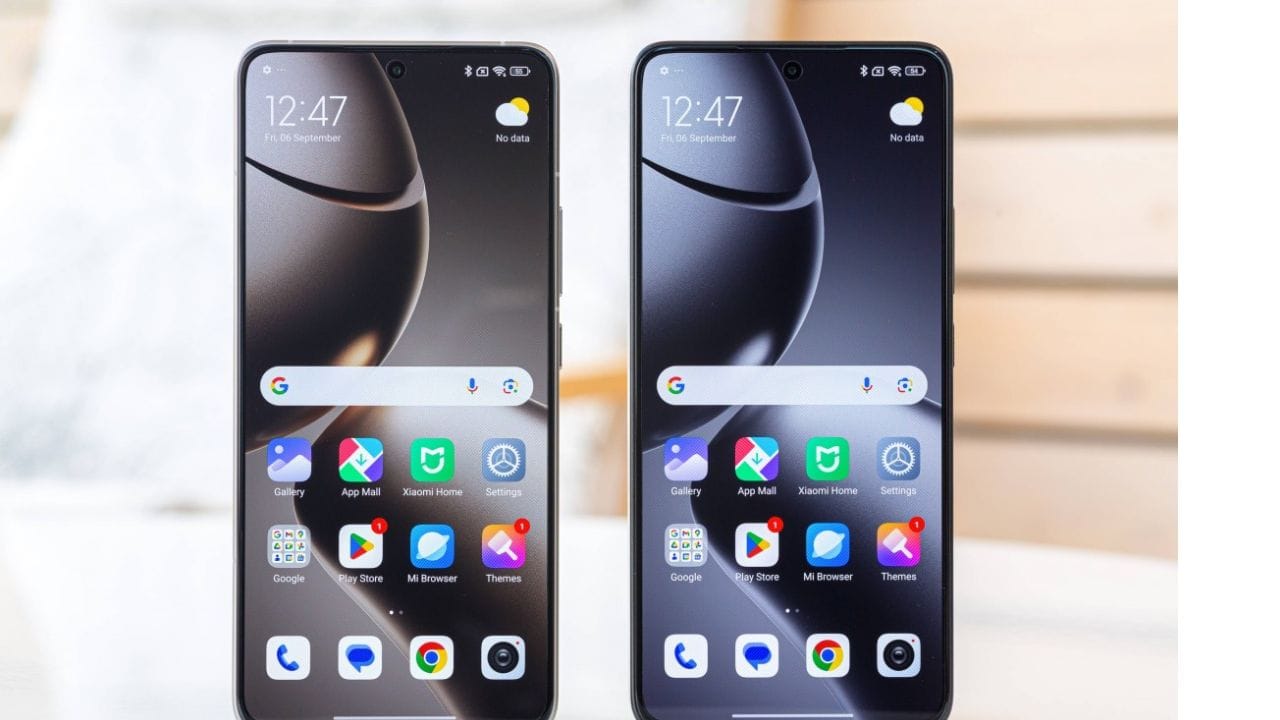
Xiaomi has officially ended development for HyperOS 2 and is now fully focused on building HyperOS 3, according to a user report from Xiaomi’s Feedback app.
Goodbye HyperOS 2, Hello HyperOS 3
All eligible Xiaomi devices have already received the HyperOS 2 update, and the company has confirmed there will be no further improvement updates for it. Instead, Xiaomi’s development team is now working hard to ensure that HyperOS 3, based on Android 16, is ready on time.
Although Xiaomi hasn’t shared a launch date yet, the upcoming OS may be called HyperOS 26, to match the release year (2026).
What to Expect from HyperOS 3
Xiaomi says HyperOS 3 will bring several improvements, including:
- Smoother animations
- Better system responsiveness
- Refreshed user interface (UI)
- An overall improved user experience
However, many of these enhancements sound a bit general, and more details are expected in the coming months.
Nine Phones Losing Support
As Xiaomi moves forward, it’s also ending software support for nine older devices, which will receive their last security patch in September 2025:
- Redmi A1
- Redmi A1+
- Poco C50
- Xiaomi 11T
- Xiaomi 11T Pro
- Mi 11 Lite 5G NE
- Mi 11 LE
- Poco M5
- Redmi 11 Prime 4G
After this final update, these phones will no longer receive official security or system updates.
Stay updated with latest tech news
Follow TechiBoy on Google to get updates on smartphones, gadgets, software updates, and more.
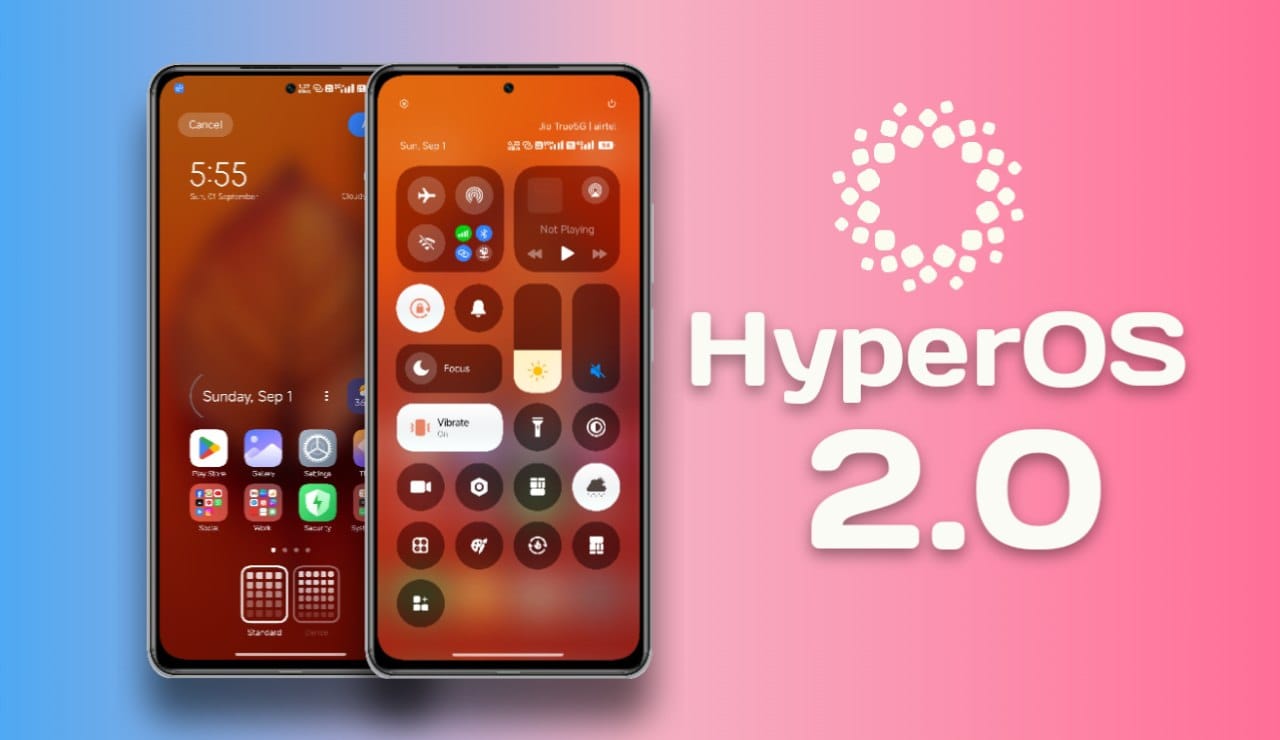
Xiaomi has officially shared details about recent bug fixes for its latest operating system, HyperOS 2. These updates aim to improve the experience for users of flagship smartphones like the Xiaomi 15 Pro and Xiaomi 13 Ultra. The announcement was made on April 4 through the Xiaomi Community.
HyperOS 2 Problems That Are Now Fixed:
Xiaomi’s new update fixes several important issues that users have reported:
- Volume Control Alignment: The volume bar that didn’t align properly when opening the control center is now fixed, making the interface smoother.
- Battery Drain with Mi Band 9: Users of Xiaomi 15 and 15 Pro who had battery issues while connected to Mi Band 9 should now see better battery life.
- Calculator Input Problem: You can now edit and change numbers in the calculator app, something users couldn’t do earlier.
- Audio Fix for WeChat: The weird metallic sound during WeChat recordings has been removed.
- Theme Section Cleanup: Duplicate themes without borders were showing up on the Xiaomi 13 Ultra. These have now been merged to make things clearer.
Issues Xiaomi is Still Working On:
Xiaomi also said that it is working hard to fix other problems that some users are still facing, including:
- Screen freezing or going black when changing certain developer settings.
- High power usage on the desktop in the Redmi K70 Ultra.
- Problems with Always-On Display (AOD) and shortcut icons on the lock screen.
- Volume control layout appearing incorrectly on some screens.
- A bug with the smart unsubscribe feature for sports updates.
Xiaomi’s Message to Users
A Xiaomi spokesperson said, “We are listening carefully to our users and focusing on solving the issues that affect daily use the most. These are just the first of many improvements coming to HyperOS.”
What This Means for Xiaomi Users
These updates show Xiaomi’s commitment to improving HyperOS 2, which is its most advanced software yet. The goal of HyperOS is to create a smooth and unified experience across phones, tablets, and other Xiaomi devices.
If you use any of the affected phones, make sure to check for software updates so you can get these fixes as soon as they’re available in your region.
Stay updated with latest tech news
Follow TechiBoy on Google to get updates on smartphones, gadgets, software updates, and more.